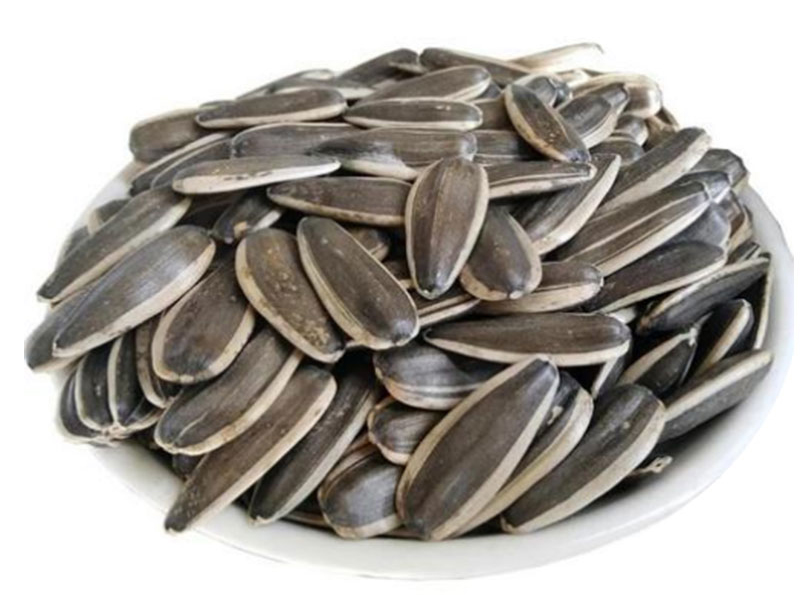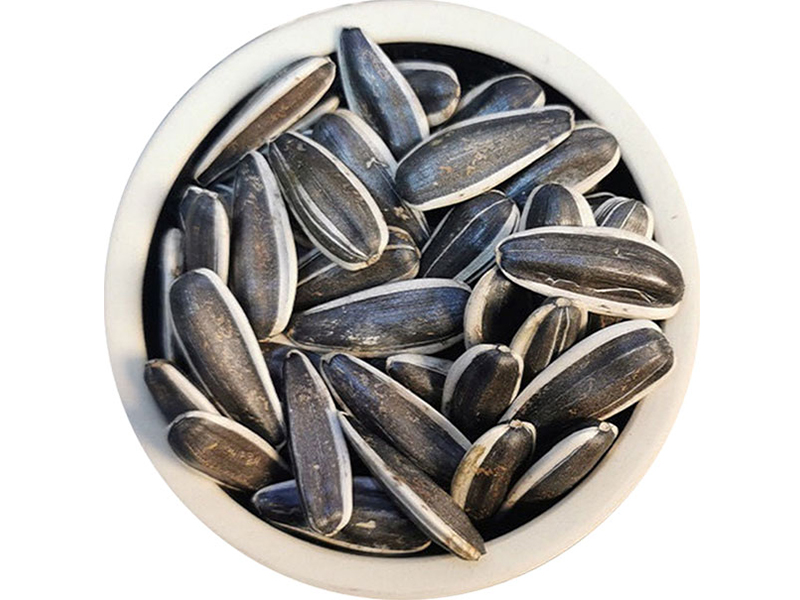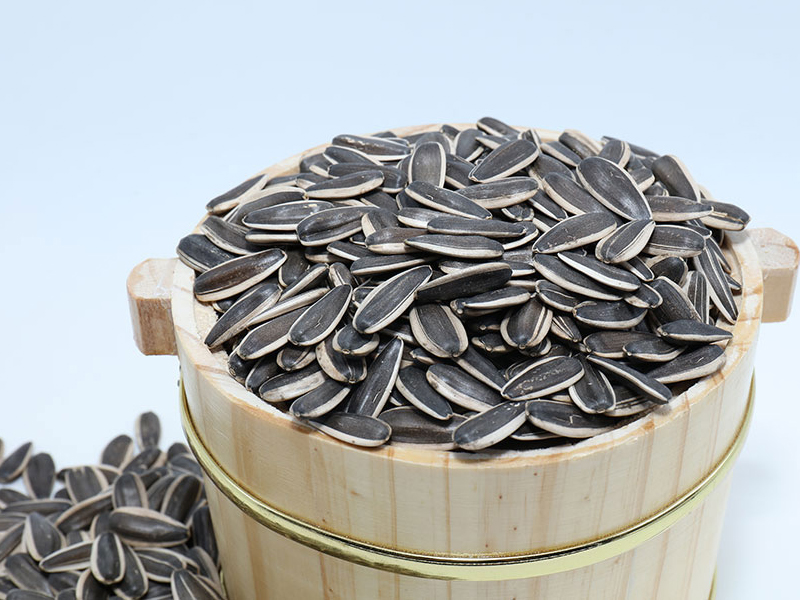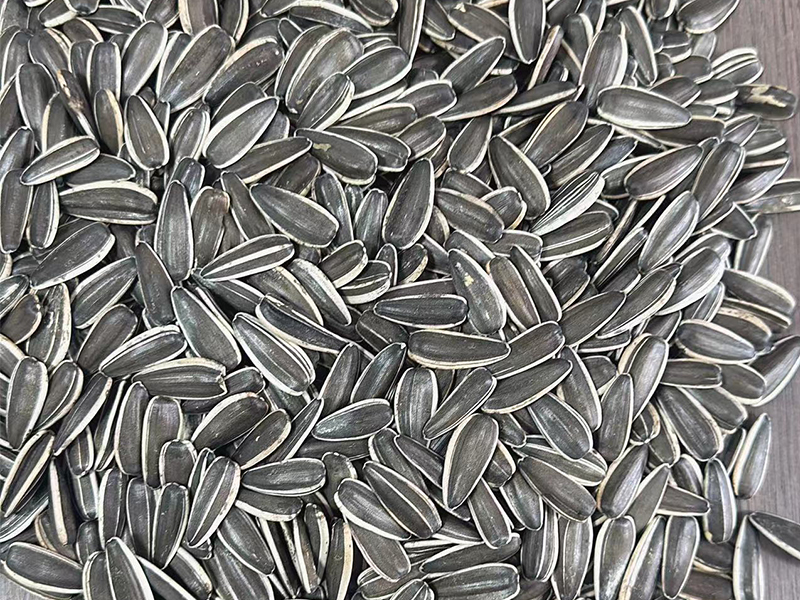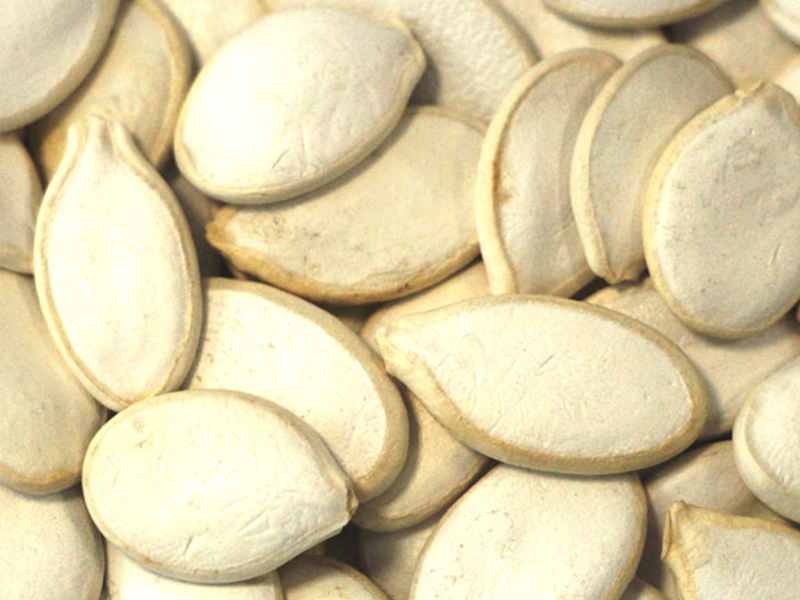
Inner Mongolia, China regained the "battlefield" of sunflower seed industry. Last year, 370300 tons of sunflower seed products were exported
Hohhot, May 28th (Reporter Liu Xinrong) Seeds are known as agricultural "chips", which are related to food security and the supply of important agricultural products.
The reporter learned from the Agriculture and Animal Husbandry Department of Inner Mongolia Autonomous Region that the main varieties of sunflowers in Inner Mongolia are SH361, HZ2399, Sanrui series, Tongqing series, etc. The market share of self cultivated varieties in Inner Mongolia is 68%. Enterprises represented by Inner Mongolia Sanrui Company have cultivated independent varieties with a domestic market share of over 95%, successfully solving the bottleneck problem of relying on imports. SH361 and SH363 have taken the top two spots in terms of promotion area nationwide.
As a niche industry, sunflowers have long been dominated by international seeds in the seed market. It is reported that in the 10 years before 2013, the sunflower seeds used in China were mainly imported seeds of "Meikui", which had high yields and good adaptability, quickly occupying the domestic market and reaching a market share of about 95% at one point.
In order to change the passive situation of the sunflower seed industry and not be restricted in terms of seed sources, Inner Mongolia has vigorously implemented the seed industry revitalization action in recent years, carried out breeding joint research and development projects, continuously promoted the research and development process of the sunflower seed industry, and firmly grasped the independent innovation, core resources, and market share of sunflower seeds in its own hands.
The ethnic hybrid sunflower seeds represented by SH363 and SH361, which have led the research and development and listing, have opened a new era in the development of China's sunflower industry, leading independent seeds to comprehensively surpass foreign seeds, completely replacing the monopoly of American sunflower on China's sunflower seed industry, and significantly reducing farmers' planting costs.
It is reported that in 2023, the sunflower planting area in Inner Mongolia will be 7.448 million mu, accounting for about 68% of the national total; The output is 1.47 million tons, accounting for approximately 66% of the national total; The output value of the entire industry chain reached 21.6 billion yuan.
The relevant person in charge of Inner Mongolia Agriculture and Animal Husbandry Department introduced that there are over 150 sunflower seed processing enterprises in Inner Mongolia, including 4 national level sunflower industrialization leading enterprises and 41 autonomous region level sunflower industrialization leading enterprises, with an annual processing capacity of about 2 million tons. The Seed Seed Industry Base in Bayannur City has been recognized by the Ministry of Commerce as a national level foreign trade transformation and upgrading base.
The main production area of Bayannur City has formed a full industry chain integrating seed research and development, base planting, deep processing, marketing, and tourism. More than 60% of the high-end sunflower stir fry products in China come from Bayannur, and a total of 55 sunflower trading markets have been established. Wuyuan Hongding Agricultural and Trade Market is the largest sunflower trading center in the northwest region, with pricing power over sunflowers nationwide and an annual trading volume of over 1.5 million tons. "Three Fat Eggs", a national leading enterprise, focuses on creating high-end melon seed brands. Offline sales are distributed in 31 provinces across the country, and long-term cooperation with JD, Tmall, Tiktok and other platforms online.
In 2023, the export of sunflower seed products in Inner Mongolia will be 370300 tons, with an export value of 4.584 billion yuan, including 362000 tons of raw sunflower seeds, accounting for 56% of the total export of agricultural products in the region, with an export value of 4.427 billion yuan, mainly exported to Iraq, Türkiye, Iran, Russia, Uzbekistan and other countries.
Since 2021, Inner Mongolia has actively promoted the revision of standards for the entire sunflower industry chain. 40 new local standards related to sunflowers have been formulated and revised, and the total number of current standards has reached 75. Carry out the creation of standardized demonstration bases. Inner Mongolia Hangjinhou Banner Yimin Seed Co., Ltd. and Inner Mongolia Genheng Food Co., Ltd. have been included in the first batch of Inner Mongolia Autonomous Region's full industry chain standardization demonstration base creation list, promoting the construction of a sunflower modern agriculture full industry chain standard system.
Key technologies such as efficient integration of sunflower quality improvement, sunflower furrow film ridge planting for drought resistance, salt resistance, and row tolerance cultivation, and standardized cultivation of wheat with late sowing sunflower have been promoted. In 2023, the highest yield in Urad Front Banner Demonstration Zone, Bayannur City was 349.8 kilograms, an increase of 32% compared to the previous year.
Initiate the identification and cultivation of high-quality development bases for international trade in agriculture and animal husbandry. At present, seven sunflower export enterprises in Inner Mongolia have been recognized as high-quality development bases for agricultural international trade, enhancing their market competitiveness.
Next, the Inner Mongolia Agriculture and Animal Husbandry Department will continue to promote the construction of a standardized system, guide and regulate industry order, strengthen seed market supervision, and strive to stabilize the sunflower area at around 6 million mu by 2025, increase the yield by about 5 kilograms compared to 2023, and achieve a total industry chain value of 24 billion yuan for the sunflower industry.
Starting from 2024, for three consecutive years, sunflower quality evaluation will be carried out in league cities with large sunflower planting areas, such as Bayannur City, Ulanqab City, and Chifeng City. A sunflower quality evaluation index system will be established, sunflower quality testing standards will be formulated, and sunflower grading will be promoted. Jointly building a domestically authoritative sunflower technology research and development center with advantageous scientific and technological forces such as national research institutes, mastering the core resources of sunflowers, and accelerating the cultivation of new varieties of excellent sunflowers.